
2026-05-15
ウールとコットンは世界で最も広く使用されている天然繊維ですが、身体に対する作用は大きく異なります。 ウールは温度調節、湿気管理、耐久性に優れていますが、コットンは柔らかさ、暖かい条件での通気性、お手入れのしやすさで優れています。 どちらが一般的に優れているというわけではありません。正しい選択は、気候、活動レベル、衣服の使用方法によって異なります。
各繊維の起源を理解することは、完成した生地で繊維の挙動がなぜこれほど異なるのかを説明するのに役立ちます。
ウール is a protein-based fiber harvested from the fleece of sheep and certain other animals, including goats (cashmere and mohair), alpacas, and rabbits (angora). The most commercially significant variety is Merino wool, sourced from Merino sheep and prized for its unusually fine fiber diameter, which makes it soft enough for direct skin contact. At the microscopic level, wool fibers have overlapping scales along their surface, similar to roof shingles, and a crimped or wavy structure. These physical properties are responsible for many of wool's performance advantages.
コットン is a cellulose-based fiber grown from the seed pods of the Gossypium plant. It is the most widely produced natural textile fiber in the world. The fiber itself is a single, long cell with a hollow center called a lumen. When cotton dries after harvesting, this lumen collapses, giving the fiber a naturally twisted, ribbon-like shape. This twist allows cotton fibers to lock together during spinning, creating strong, smooth yarns. Cotton feels soft and familiar against the skin and requires relatively simple processing compared to wool.
生地が汗や湿気にどのように対処するかは、日常着でもアクティブウェアでも同様に最も重要なパフォーマンス要素の 1 つです。
ウール is hygroscopic, meaning it actively draws moisture vapor away from the skin before it becomes liquid sweat. According to the American Wool Council, ウールは、触ると湿気を感じ始める前に、自重の 30 パーセント以上の湿気を吸収します。 これが可能になるのは、ウールが各繊維の芯まで水分を吸収し、表面を比較的ドライな状態に保つためです。綿も湿気を吸収しやすいですが、大きな違いがあります。綿はその水分を生地の表面に保持し、保持します。綿のシャツは濡れても濡れたままになります。各綿繊維の内腔が水で満たされ、繊維が体積で 44 ~ 49 パーセントも膨張し、通常は空気の循環を可能にするエアポケットが閉じられます。
穏やかな天候で低から中程度の活動を行う場合、コットンの保湿性が問題になることはほとんどありません。スポーツ活動や寒い季節、屋外での長時間の着用に、 濡れていると感じさせずに湿気を管理するウールの能力は、機能的に大きな利点です。
| プロパティ | ウール | コットン |
| 吸湿率 | 繊維重量の最大 30% | 繊維重量の10~14% |
| 湿ると濡れた感じがする | なし(内部で湿気を吸収) | はい (表面に水分が残留) |
| 濡れると繊維が膨らむ | 約35% | 44~49% |
| 乾燥速度 | 中等度 | 完全に飽和すると遅い |
| 濡れても断熱性が保持される | はい | いいえ |
ウール is often described as a natural thermostat. Its crimped fiber structure creates millions of tiny air pockets within the fabric, which trap body heat in cold conditions. This is the same principle behind insulating materials like down. Importantly, wool retains this insulating capacity even when wet, because moisture is absorbed into the fiber core rather than filling the air pockets. This makes wool a preferred material for outdoor base layers, cold-weather underlayers, and sleepwear in variable climates.
コットン, by contrast, is more breathable in warm, dry conditions. Its smooth fibers allow air to circulate freely through the weave. However, once cotton becomes saturated with sweat or rain, it loses its insulating properties almost entirely. In cold and wet conditions, this can be a safety issue, which is why outdoor gear guides consistently recommend against cotton as a base layer when temperatures drop.
暖かい季節のカジュアルウェアには、コットンがより快適な選択肢です。寒い天候や予測不能な天候でのレイヤリングには、ウールの方が大幅に優れたパフォーマンスを発揮します。の元で開発されたような革新的な生地もあります。 バームシルク™ 天然繊維をブレンドするというアプローチは、温度を調節する上質な天然繊維の柔らかさと通気性の向上を組み合わせて、一年中快適に過ごせるようにすることで、このギャップを埋めることを目指しています。
ウール has a significant advantage in fiber flexibility and resilience. According to the American Wool Council, ウールの繊維は破損するまでに 20,000 回以上曲げることができます。 コットン fibers, by comparison, reach their breaking point after approximately 3,000 bends. This difference in structural flexibility translates directly to how garments age. Wool knits and woven fabrics tend to hold their shape longer, resist pilling better under friction, and survive repeated wash cycles with less visible wear.
コットン, while less flexible at the fiber level, has strong tensile strength in dry conditions and benefits from the twisted structure of its yarns. Well-constructed cotton garments, particularly woven items like denim or canvas, are extremely durable in their own right. The durability of cotton tends to be most evident in structured, tightly woven applications, while wool's durability advantage is most apparent in knitted, frequently flexed garments like socks, sweaters, and base layers.
コットン has a well-earned reputation for softness. Its smooth, scaled-free surface is gentle against most skin types from the first wear, which explains why it dominates in baby clothing, underwear, and everyday T-shirts. Cotton also softens further with washing, making older cotton garments often more comfortable than new ones.
標準的なウールは、特に敏感肌の人にとって、チクチクしたり刺激を感じることがあります。これは主に繊維の直径によって決まります。ウールの繊維が太い(直径約 30 ミクロン以上)ほど、チクチク感を引き起こす可能性が高くなります。繊維の直径が通常 15 ~ 24 ミクロンのメリノウールはこの問題を回避し、ほとんどの着用者が直接肌に接触しても快適であると考えられています。繊維が細いほど、柔らかい仕上がりになります。
下着、寝間着、および一日中肌に直接着用する衣服では、生地の柔らかさは重要な考慮事項ではありません。これが、上質な天然繊維のブレンドや加工された生地が、標準的なウールと従来のコットンの代替品として人気が高まっている理由の 1 つです。
ウール has a natural advantage in odor resistance. The scaled surface of wool fibers traps odor-causing bacteria and volatile compounds, preventing them from spreading through the fabric. These compounds are only released during washing. In practical terms, this means wool garments can often be worn multiple times before requiring laundering without developing noticeable odor.
コットン, while breathable and fresh-smelling when clean and dry, provides less odor resistance once it becomes damp. The moisture retained in cotton fibers creates a favorable environment for bacterial activity, which is the primary source of fabric odor. Frequent washing is typically required to keep cotton activewear and underlayers fresh. For travelers, those with active lifestyles, or anyone who values low-maintenance clothing, wool's odor resistance is a meaningful practical benefit.
どちらの繊維も天然で生分解性であるため、ポリエステルやナイロンなどの合成素材に比べて環境面での利点があります。ただし、その製造プロセスは大きく異なります。
ウール production involves animal husbandry, which raises questions about land use and animal welfare. Responsible sourcing standards, such as the Responsible Wool Standard (RWS), address these concerns by requiring farms to demonstrate sustainable land management and ethical animal treatment. Wool is also a renewable fiber: sheep produce new fleece each year without being harmed.
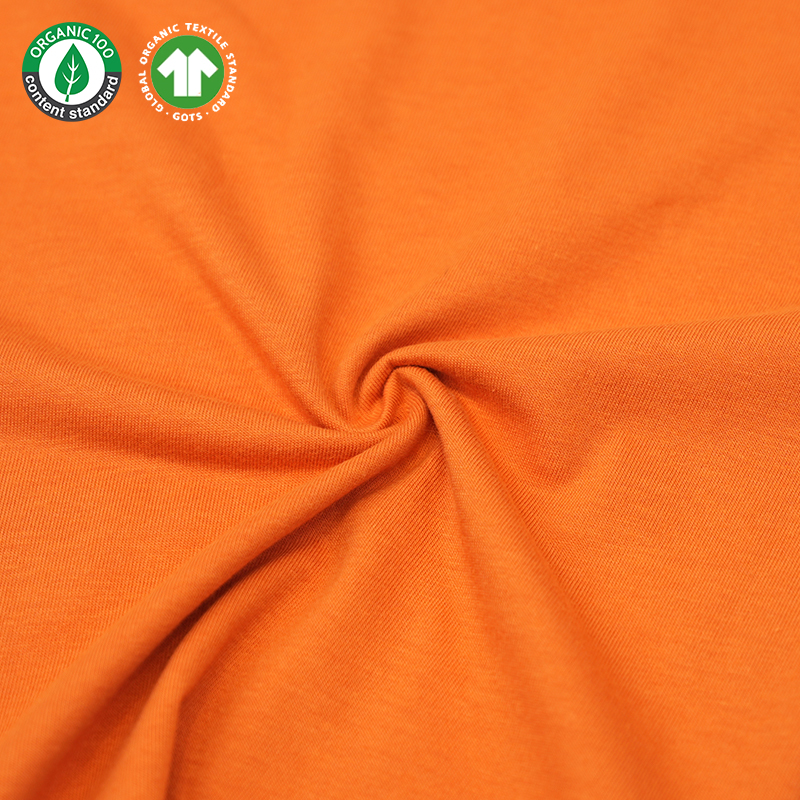
従来の綿花は世界の農業において最も水を大量に消費する作物の 1 つであり、歴史的に農薬に大きく依存してきました。合成殺虫剤や化学肥料を使用せずに栽培され、グローバル オーガニック テキスタイル スタンダード (GOTS) や OEKO-TEX などの基準に基づいて認証されたオーガニック コットンは、これらの懸念の多くに対処しますが、通常はコストが高く、綿生産量全体に占める割合は小さくなります。
持続可能性を優先する消費者やブランドにとって、認証は繊維自体と同じくらい重要です。ウールも綿も責任を持って生産できます。問題は、特定の製品の背後にあるサプライチェーンが検証可能な環境基準および倫理基準を満たしているかどうかです。
コットン is one of the easiest fabrics to care for. Most cotton garments tolerate machine washing in warm or hot water, tumble drying, and ironing at high temperatures. Cotton also improves in feel with repeated washing. The main risks are shrinkage (particularly in hot water) and gradual fading of colors over time.
ウール requires more careful handling. Standard wool can shrink and felt irreversibly if exposed to hot water or agitation. Most wool garments should be hand-washed in cool water or machine washed on a delicate cycle with a wool-safe detergent, then reshaped and air dried flat. Merino wool and superwash-treated wool are exceptions: these varieties have been processed to withstand gentler machine washing, making them significantly more convenient for everyday use.
ウールの衣類は洗濯が必要になるまでに数回着用できることが多いため、合計の洗濯頻度は同等の綿製品よりも少なくなり、より厳しいケア要件が部分的に相殺されます。
次の表は、上で説明した性能要因に基づいて、一般的な衣類カテゴリにどの繊維がより適しているかをまとめたものです。
| 衣服または使用例 | 推奨ファイバー | 主な理由 |
| 普段使いのTシャツやカジュアルなトップス | コットン | 柔らかさ、通気性、お手入れ簡単 |
| 寒冷地用ベースレイヤー | ウール (Merino) | 濡れても断熱性が保持される, moisture management |
| 下着と下着 | コットン or fine natural blends | 肌の柔らかさ、通気性、低刺激性 |
| アスレチックおよびアウトドアウェア | ウール or performance blends | 吸湿発散性、防臭性、温度調節機能 |
| セーターとニットウェア | ウール | 保温性、保形性、耐久性 |
| サマードレスとシャツ | コットン | 軽くて通気性が良く、洗濯しやすい |
| 旅行用衣類 | ウール (Merino) | 臭気耐性、数日間の着用可能性、温度の多様性 |
| ベビー・子供服 | コットン | 最大限の柔らかさ、低刺激性、簡単なお手入れ |
ウールとコットンの両方の長所と限界により、天然繊維の混合と生地工学における重要な革新が推進されました。現在、多くのメーカーは、1 つの繊維だけを選択するのではなく、複数の天然資源の最良の特性を組み合わせた生地を開発しています。たとえば、細い天然繊維と竹由来の素材をブレンドすると、綿のように柔らかく、ウールのように湿気を管理し、天然の抗菌性を備えた生地が得られます。という方針のもと開発された製品の方向性です。 バームシルク™ ファブリックラインは、持続可能な天然繊維テクノロジーを結集して、機能的な結果を達成するために合成素材に依存しない高性能テキスタイルを生産します。
追跡可能な認証された天然繊維製品に対する消費者の需要が高まるにつれ、繊維業界は繊維の調達、加工、最終製品のパフォーマンスの透明性を高める方向に向かっています。衣服が純粋なウール、純粋な綿、または綿密に設計された天然ブレンドで作られているかどうかにかかわらず、製造段階での繊維の選択によって、その衣服の性能、感触、そして長年の着用に耐えられるかどうかが決まります。
2001年に設立され、 南通天宏紡織技術有限公司(BAMSILK™) は、研究開発、生産、世界販売を統合した、持続可能な高機能天然繊維生地の専門メーカーです。当社の製品は、FSC、OCS、OEKO-TEX Standard 100 などの認証によってサポートされており、責任ある調達と追跡可能なサプライ チェーンに対する当社の取り組みを反映しています。最高の環境基準と性能基準を満たす天然繊維生地をお探しの場合は、 当社の製品範囲を探索する ニーズに合った適切なソリューションを見つけるために。
データソース
関連製品
詳細については、お問い合わせください
あなたが私たちを必要としているときに連絡することを躊躇しないでください!
QRコード
私たちのコミュニティに参加して、つながりを維持してください